21 March 2025

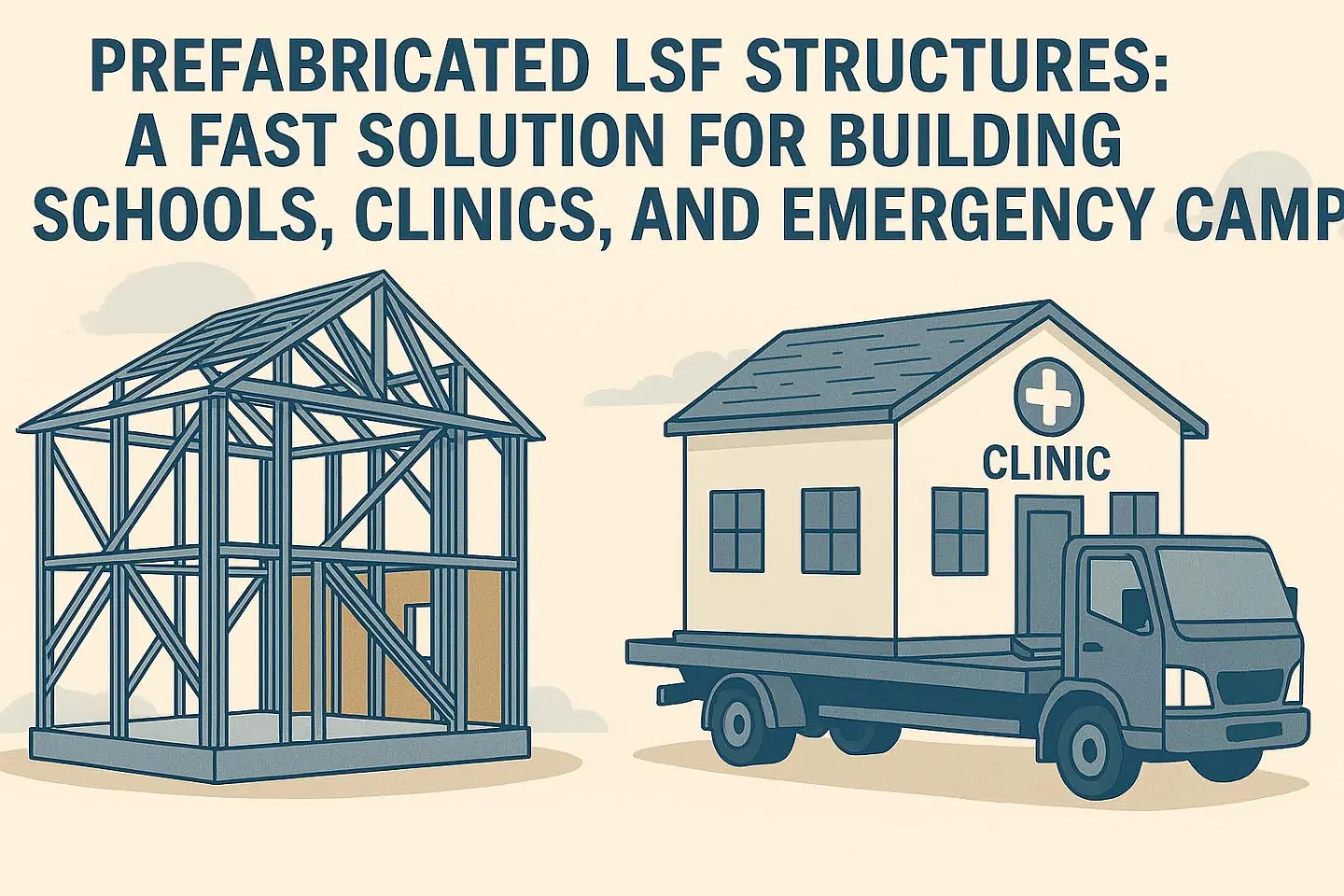
Prefabricated LSF Structures: A Fast Solution for Building Schools, Clinics, and Emergency Camps

Prefabricated LSF Structures: A Fast Solution for Building Schools, Clinics, and Emergency Camps

In times of urgent need—whether after natural disasters, in rapidly developing regions, or for temporary infrastructure—speed, flexibility, and durability become the top priorities in construction. Light Steel Frame (LSF) prefabricated structures offer an ideal solution for these scenarios, combining speed of assembly with high structural performance.
Why Choose LSF for Schools, Clinics, and Temporary Camps?


1. Rapid Construction
LSF components are prefabricated off-site with precision using specialized software and machinery. Once delivered to the site, the assembly process is fast, clean, and requires minimal labor. A fully functional school or clinic can often be erected in a matter of weeks instead of months.


2. Modular and Scalable Design
LSF buildings can be designed in modular units that are easy to transport, install, and expand. Whether it’s a single-classroom school or a fully equipped field hospital, the structure can grow based on evolving needs.


3. High Strength-to-Weight Ratio
Despite being lightweight, LSF systems provide excellent structural performance, even in challenging environments. They are resistant to earthquakes, wind, and corrosion—making them especially suitable for remote or disaster-prone regions.


4. Thermal and Acoustic Insulation
When combined with proper insulation materials like rock wool or PIR panels, LSF buildings offer great thermal comfort and soundproofing, essential for schools and healthcare facilities.


5. Cost-Efficient and Sustainable
The efficiency of the prefabrication process reduces waste and lowers labor costs. Moreover, steel is recyclable, and the energy consumption during production and assembly is significantly lower compared to traditional building methods.


6. Compliance with International Standards
LSF structures can be designed and manufactured according to global engineering standards (such as Eurocode or AISI), ensuring safety, reliability, and long-term performance.
Applications in Real Life

  • Emergency field hospitals and clinics during health crises
  • Temporary classrooms in areas with growing student populations
  • Accommodation units for refugees or disaster-displaced populations
  • Construction site offices and worker camps


Conclusion
Prefabricated LSF structures are not only a fast and flexible building solution but also a reliable one. With the growing demand for efficient infrastructure around the world, LSF offers a forward-thinking approach to building smarter, faster, and more responsibly.
If you're planning a school, clinic, or camp project and need a quick yet robust solution, LSF is a choice worth considering.

Latest Blog
  • 07 March 2025
  • By admin

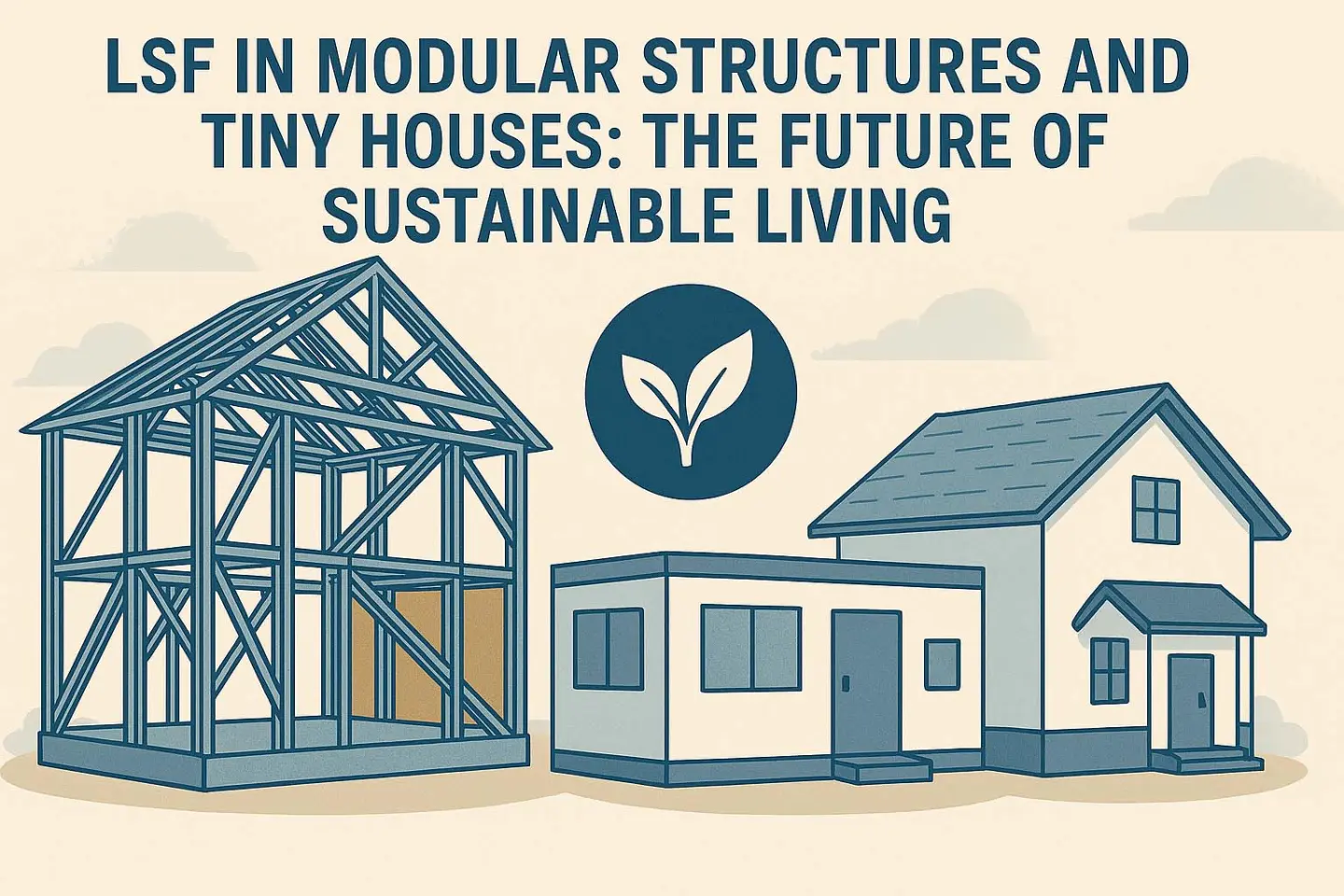
LSF in Modular Structures and Tiny Houses: The Future of Sustainable Living

In recent years, the demand for modular structures and tiny houses has seen a significant rise. People are increasingly looking for affordable, flexible, and sustainable housing solutions that
  • 17 March 2025
  • By admin

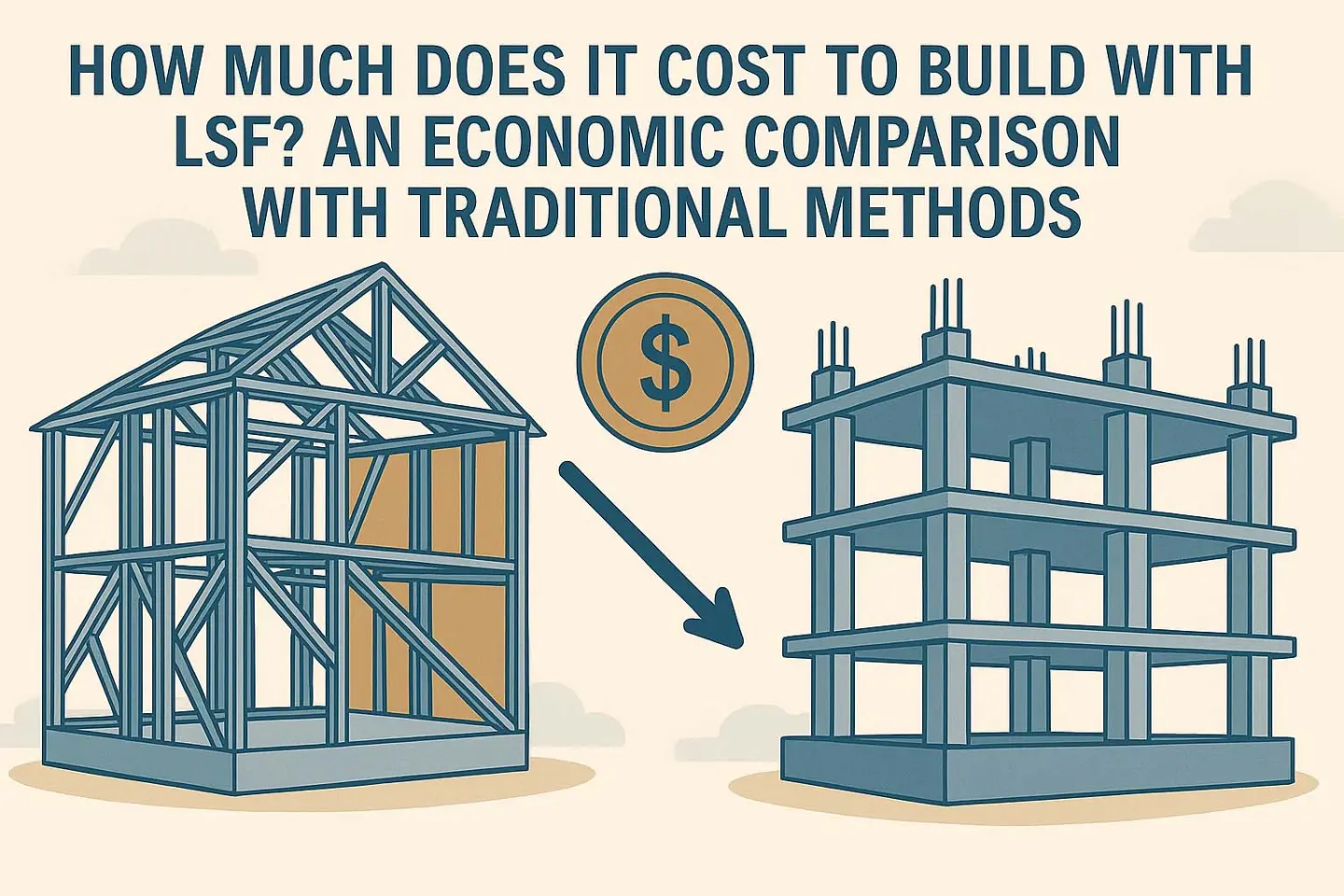
How Much Does It Cost to Build with LSF? An Economic Comparison with Traditional Methods

When it comes to choosing a construction method, cost is always a critical factor. Light Steel Frame (LSF) construction has become increasingly popular due to its speed, precision,
More articles

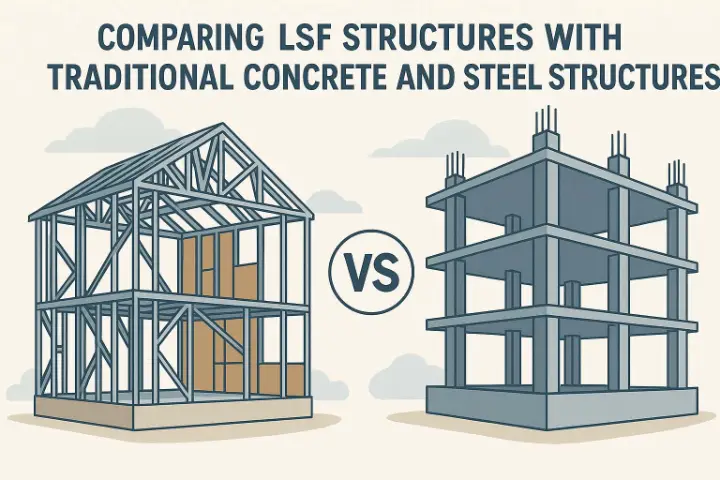
Comparing LSF Structures with Traditional Concrete and Steel Structures

07 April 2025

Comparing LSF Structures with Traditional Concrete and Steel Structures

In recent years, LSF (Light Steel Frame) structures have gained significant popularity as a modern alternative to traditional construction methods using concrete or hot-rolled steel. With increasing demands for faster, more efficient, and sustainable building solutions, LSF systems offer distinct advantages. Below, we compare LSF with conventional concrete and steel structures across several key aspects:

Read article
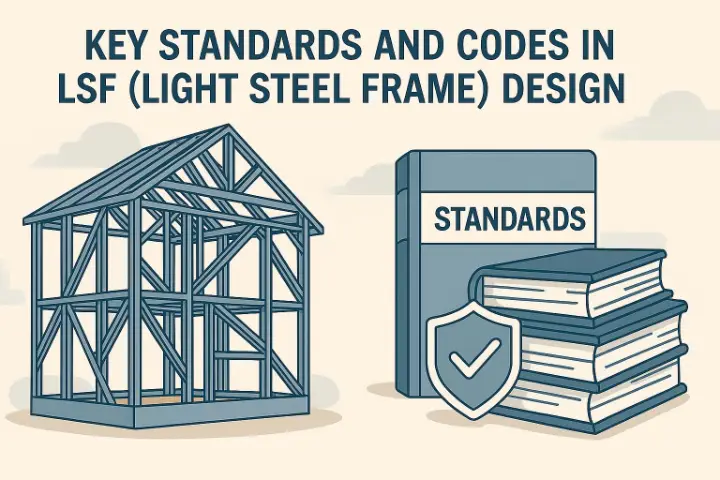
Key Standards and Codes in LSF (Light Steel Frame) Design

03 April 2025

Key Standards and Codes in LSF (Light Steel Frame) Design

Light Steel Frame (LSF) construction is gaining global popularity due to its efficiency, lightweight nature, and versatility. However, proper structural performance and safety depend heavily on adherence to well-established design codes and standards. Here are the most important international codes that guide the design, analysis, and fabrication of LSF structures: 1. AISI Standards (North America) The American Iron and Steel Institute (AISI) provides comprehensive guidelines for cold-formed steel design, which are widely used in the U.S. and many other countries. Key documents include: • AISI S100: North American Specification for the Design of Cold-Formed Steel Structural Members • AISI S240: North American Standard for Cold-Formed Steel Structural Framing • AISI S400: Seismic Design of Cold-Formed Steel Structural Systems These standards are often referenced in U.S. building codes and are critical for both structural and seismic design. 2. Eurocode (Europe) In Europe, Eurocode 3 is the primary standard for steel structure design. For cold-formed steel, the relevant part is: • EN 1993-1-3: Design of steel structures – Supplementary rules for cold-formed members and sheeting This standard covers the calculation of load-bearing capacity, stability, and detailing for cold-formed profiles used in LSF systems. 3. AS/NZS Standards (Australia and New Zealand) Australia and New Zealand have jointly developed a set of standards tailored to their construction environment: • AS/NZS 4600: Cold-Formed Steel Structures • NASH Standards: Published by the National Association of Steel-Framed Housing, these are practical guidelines specifically developed for residential and low-rise steel framing in Australia. The AS/NZS 4600 standard is recognized internationally for its clarity and precision in cold-formed steel design. 4. BS 5950 (United Kingdom - Legacy Standard) Although the UK has transitioned to Eurocodes, BS 5950 Part 5 was historically used for the design of cold-formed thin gauge sections. Some designers in former British territories may still refer to this standard. 5. SANS Standards (South Africa) • SANS 10162-2: Structural Use of Steel - Part 2: Limit-State Design of Cold-Formed Steelwork This standard is commonly used in South African engineering practice and is based on principles similar to AISI and AS/NZS standards. Conclusion Using the correct design code is essential for the safe and efficient performance of any LSF structure. While the core engineering principles are similar, each code has its own specific approach to design limits, safety factors, and detailing rules. Designers should always ensure they are using the standard that is recognized and approved in the region where the project is located. Whether you are building a residential home, commercial facility, or modular structure, compliance with these standards ensures durability, safety, and long-term value.

Read article
Why LSF Structures Are a Smart Choice for Villas and Second Homes

01 April 2025

Why LSF Structures Are a Smart Choice for Villas and Second Homes

When it comes to building a villa or a second home, speed, efficiency, and long-term value matter. Light Steel Frame (LSF) construction offers a modern alternative to traditional building methods, combining durability with cost-effectiveness — making it an ideal solution for residential projects, especially in remote or scenic areas.

Read article

One partner, from idea to assembly.

Industrial buildings, extensions and rooftop additions in light metal frame. Tell us about your project.

Get in touch